All posts filed under: Hidden Gems

There are so many hidden gems within Paris, that tourists have no clue about! Here are some of my all-time favourites.

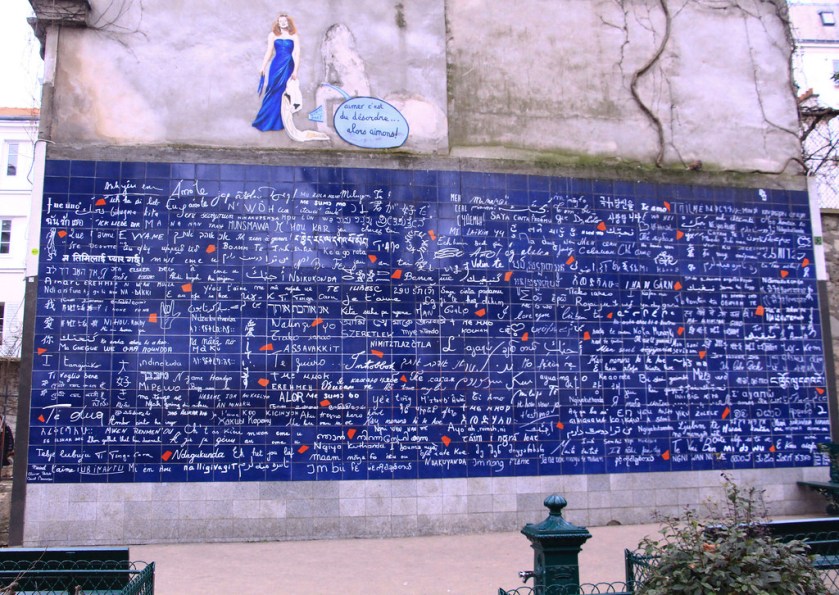
Le mur des je t'aime, Montmartre

Le mur des je t’aime, Montmartre

What better way to celebrate Valentine’s Day with a post all about love! This week I ventured off to Montmartre, and stumbled upon an infamous sight of this area. Stretching across 612 lava tiles, this is no ordinary wall. It is Paris’ Le mur des je t’aime, a wall devoted to expressing the words ‘I love you’ in 311 various languages. It was created by Frédéric Baron and Claire Kito, who both went round the various Embassies in the city and asked their neighbours to write down the phrase in their own languages, until finally they had gathered an adequate amount of love. Furthermore, what is interesting is that the artist Frédéric Baron stated that the random red shapes which interject various parts of the tiles have a metaphorical function, representing “the pieces of a broken heart” of “which the wall tries to gather together.” You can find this interesting piece of art in Jehan-Rictus Square, which is located right by Abbesses station in Montmartre. There is even a website for the wall: http://www.lesjetaime.com

Exploring the 6th arrondissement, Paris

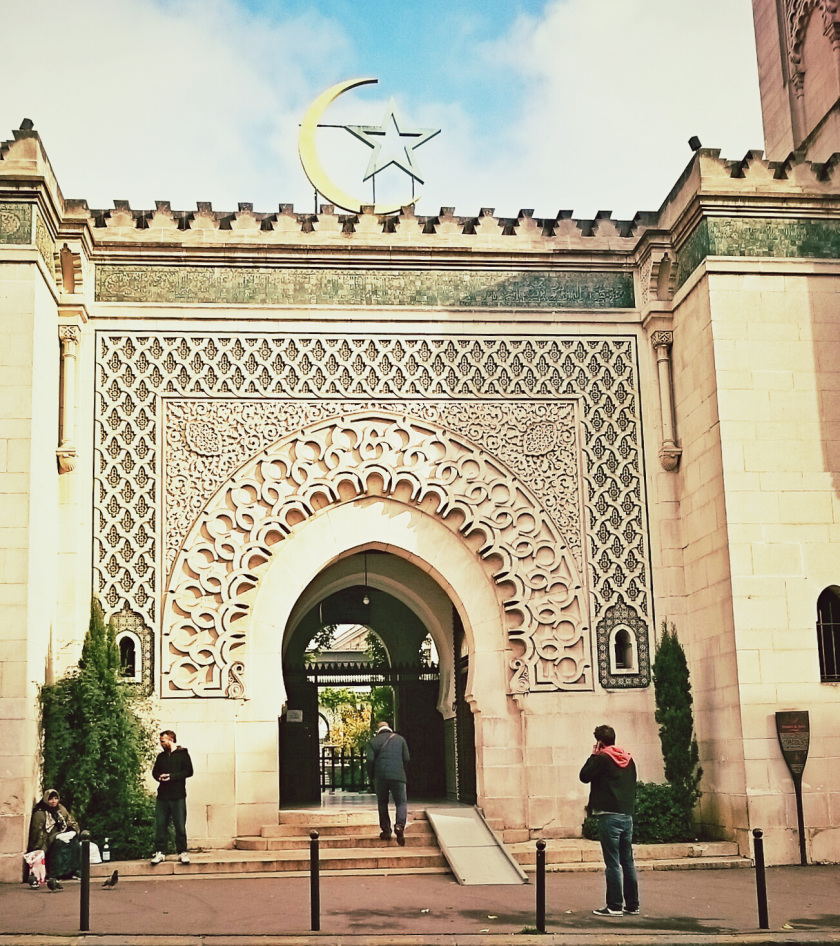
The 6th arrondissement, known as offering the quintessential Parisian experience. This area of the city is beautiful – you can take a leisurely stroll around the Jardin du Luxembourg, check out some chic boutiques, visit a 6th-century Abbey of Saint-Germain-des-Prés, and eat to your heart’s delight. Wanna be a true Parisian flâneur? Head to the 6th arrondissement

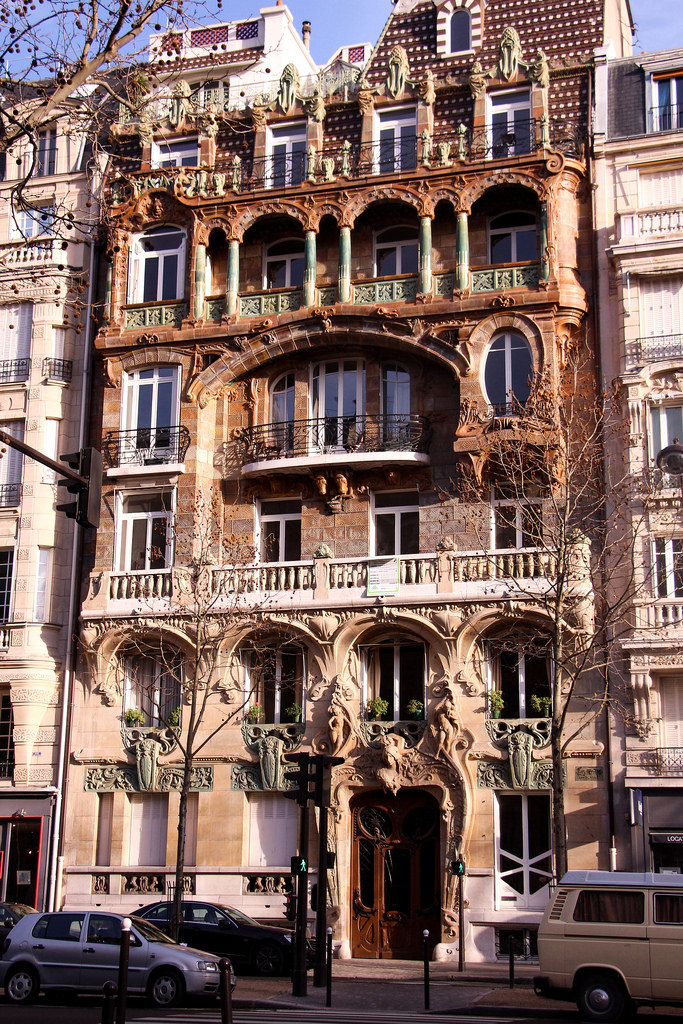
A hidden gem of the Art Nouveau era: 29 Avenue Rapp, 7th arrondissement, Paris

A hidden gem of the Art Nouveau era: 29 Avenue Rapp, 7th arrondissement

This weekend a friend and I were exploring the streets of the 7th arrondissement, when unexpectedly we stumbled upon the gem that is 29 Avenue Rapp. Right in front of us was an amazing Art Nouveau building, and we just had to go and have a closer look! After some research, I found out that this building is much more famous than I had first imagined. Built in 1901, it was designed by Jules Aimé Lavirotte, a famous French architect whose theatrical designs are typical of the Art Nouveau moment, and today there are just around nine of his buildings left in the whole of Paris. It is a truly unique building, with a stunning façade that had me transfixed. Adorning the façade are beautiful sculptural designs, figurative symbols and exquisite balconies. Unfortunately (or fortunately to the residents), you cannot go inside, so one can only imagine if the interior is as opulent as the exterior. I also read online that a myth of this building is that it is “a private residence for widowed military spouses”, …

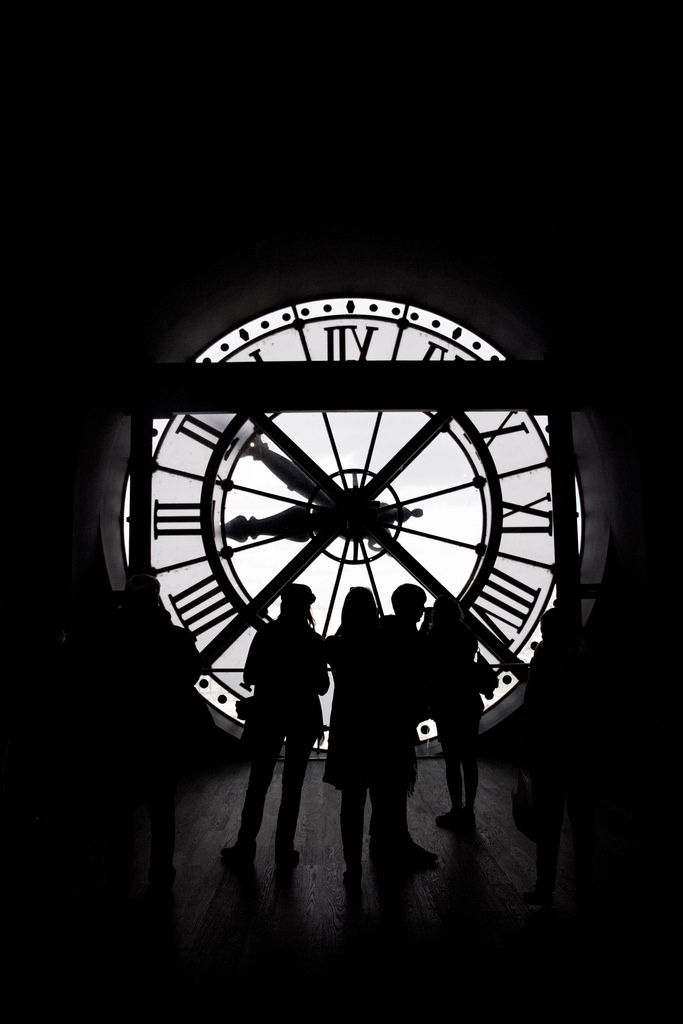
Musée d'Orsay Clock, Paris

‘Time is not measured by clocks but by moments’: Musée d’Orsay

This Saturday, some of my closest friends and I went to the Musée d’Orsay. In addition to exploring all the beautiful paintings and sculptures on display, we could not miss seeing the iconic clock on the top floor. The vista of Paris from the clock is amazing, with stunning views of the River Seine and La Basilique du Sacré Cœur, amongst many others. Here are just a few of the photos I took.

Au Canal Saint-Martin, Paris

Au Canal Saint-Martin

A few weeks ago, some friends and I ventured into the 10th arrondissement to enjoy a stroll along the Canal Saint-Martin. Before coming, I had heard a lot about the canal and seen many beautiful pictures – to me, and many will probably agree, it is like having a tiny part of Amsterdam here in the middle of Paris! You may well recognise the Canal Saint-Martin from its staring role in the film Amélie, which shows the audience one of her favourite past times – skipping stones across the water. I totally forgot to do that myself when I went, so I’ll will have to go back to attempt to recapture such a moment. The construction of the canal was begun during the beginning of the 19th century under the direction of Napoleon I, with its main function to supply fresh water into the city of Paris. Throughout the centuries, the canal was also used as a means of transporting food and various building materials into the heart of the city. However, today the canal is simply a magical …